
As the world battles the growing plastic waste crisis, biodegradable packaging offers a promising solution. Made from natural materials that break down into harmless substances, biodegradable packaging is transforming industries by reducing pollution, conserving resources, and meeting consumer demand for sustainable products.
This article explores the environmental benefits of adopting biodegradable packaging and highlights how businesses can embrace this eco-friendly alternative.
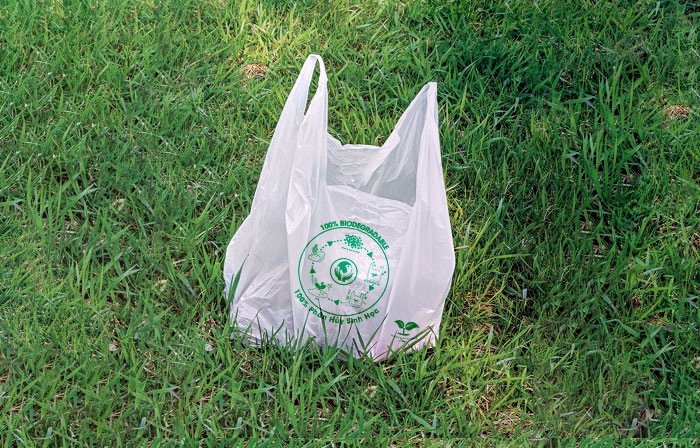
What is Biodegradable Packaging?
Biodegradable packaging is made from materials that decompose naturally, aided by microorganisms like bacteria and fungi. Unlike traditional plastics, which take centuries to break down, biodegradable alternatives can decompose within months under proper conditions.
Common materials used in biodegradable packaging include:
- Polylactic Acid (PLA) from cornstarch.
- Bagasse, a byproduct of sugarcane.
- Bioplastics made from vegetable oils or starches.
- Paper-based packaging with water-soluble coatings.
Environmental Benefits of Biodegradable Packaging
1. Reduces Plastic Pollution
Traditional plastics are non-biodegradable, often ending up in oceans and landfills for centuries. Biodegradable alternatives break down much faster, reducing their environmental footprint and mitigating pollution.
2. Conserves Natural Resources
Biodegradable packaging often uses renewable materials, such as cornstarch or sugarcane, instead of petroleum-based plastics. This reduces dependency on fossil fuels and promotes sustainable resource use.
3. Lowers Greenhouse Gas Emissions
The production and decomposition of biodegradable materials release fewer greenhouse gases compared to traditional plastics. This helps combat climate change by minimizing carbon footprints.
4. Supports Soil Health
Once decomposed, biodegradable packaging enriches the soil with organic matter, improving its quality and fertility. This contrasts with plastic waste, which leaches harmful chemicals into the environment.
5. Aligns with Circular Economy Goals
Biodegradable packaging supports a circular economy, where materials are reused and recycled, minimizing waste and conserving resources.
Popular Applications of Biodegradable Packaging
1. Food and Beverage Packaging
- Compostable plates, cups, and cutlery.
- Biodegradable cling films for food preservation.
- Sugarcane-based trays for fresh produce.
2. Shipping and Logistics
- Compostable mailers for e-commerce.
- Starch-based loose fill for packaging.
3. Retail Packaging
- Paper-based shopping bags with biodegradable coatings.
- PLA bags for apparel or small goods.
Challenges and Solutions for Biodegradable Packaging
1. Proper Disposal Infrastructure
Biodegradable materials require specific conditions to decompose efficiently. Investment in composting facilities and consumer education is critical.
2. Cost Considerations
Biodegradable packaging can be more expensive than traditional plastics. However, economies of scale and technological advancements are making it more affordable.
3. Material Durability
While biodegradable packaging is eco-friendly, it may not always match the durability of traditional plastics. Ongoing research is enhancing strength and flexibility.
Senpak’s Commitment to Sustainability
At Senpak, we are dedicated to offering sustainable packaging solutions that balance functionality and environmental responsibility.
Our biodegradable packaging products include:
- PLA-based compostable bags.
- Sugarcane-derived packaging solutions.
- Biodegradable cling films for food safety.
Our state-of-the-art facility in Vietnam ensures that all products meet international standards for sustainability and quality.
Conclusion: Building a Greener Future with Biodegradable Packaging
The shift to biodegradable packaging is no longer optional—it’s a necessity. By embracing eco-friendly materials, businesses can reduce their environmental impact, meet consumer expectations, and contribute to a healthier planet.
If you’re ready to make the switch, Senpak is here to guide you with innovative, sustainable packaging solutions.
Contact Information
Website: senpak.net
Email: info@senpak.net
Hotline/WhatsApp: +8439 45 2222 8
